
Curious about the discrepancies between a Smart Board and an Interactive Whiteboard? Dive into the features and functionalities to determine the best fit for your needs.
From technology integration to cost comparisons interactive whiteboard, explore the user interface and connectivity options.
Uncover the distinct advantages of each board and make an informed decision that suits your preferences.

Technology Integration
When integrating technology into your classroom, consider the benefits of both Smart Boards and Interactive Whiteboards.
Smart Boards offer a touch-sensitive display that allows you to interact with content in a dynamic way. They enable you to write, draw https://therev.my/tseries-interactive-smart-board/, and manipulate images directly on the screen, fostering engagement and collaboration among your students.
On the other hand, Interactive Whiteboards provide a large, interactive surface where you can project and interact with digital content. They offer versatility in terms of software compatibility and can enhance your lessons with multimedia elements.
Ultimately, choosing between Smart Boards and Interactive Whiteboards depends on your teaching style and the specific needs of your students. Both options can revolutionize your classroom experience, so embrace the freedom to explore what works best for you.
Interactive Features
Explore how interactive features on Smart Boards and Interactive Whiteboards enhance classroom engagement and learning experiences.
Smart Boards offer touch capabilities, allowing you to manipulate content directly on the screen. This feature provides a hands-on experience, encouraging active participation and collaboration.
With Interactive Whiteboards, you can annotate over digital content, highlight key points, and save notes for later review. This functionality promotes dynamic discussions and facilitates personalized learning.
Both technologies support multimedia integration, enabling you to incorporate videos, interactive quizzes, and educational games to make lessons more engaging. By leveraging these interactive features, you can create immersive learning environments that cater to diverse learning styles, fostering creativity and knowledge retention in the classroom.
Cost Comparison
For those considering investing in educational technology, comparing the costs of Smart Boards and Interactive Whiteboards is essential. Smart Boards typically have a higher upfront cost compared to Interactive Whiteboards. Smart Boards require proprietary software and tools, which can add to the overall expense. Additionally, maintenance and software updates for Smart Boards can incur ongoing costs.
On the other hand, Interactive Whiteboards are generally more affordable initially. However, it’s important to consider the long-term expenses such as maintenance and potential software compatibility issues. When making a decision based on cost, weigh the initial investment against long-term expenses to determine which option aligns best with your budget and educational goals.
Remember to factor in installation costs and any additional accessories needed for either technology.
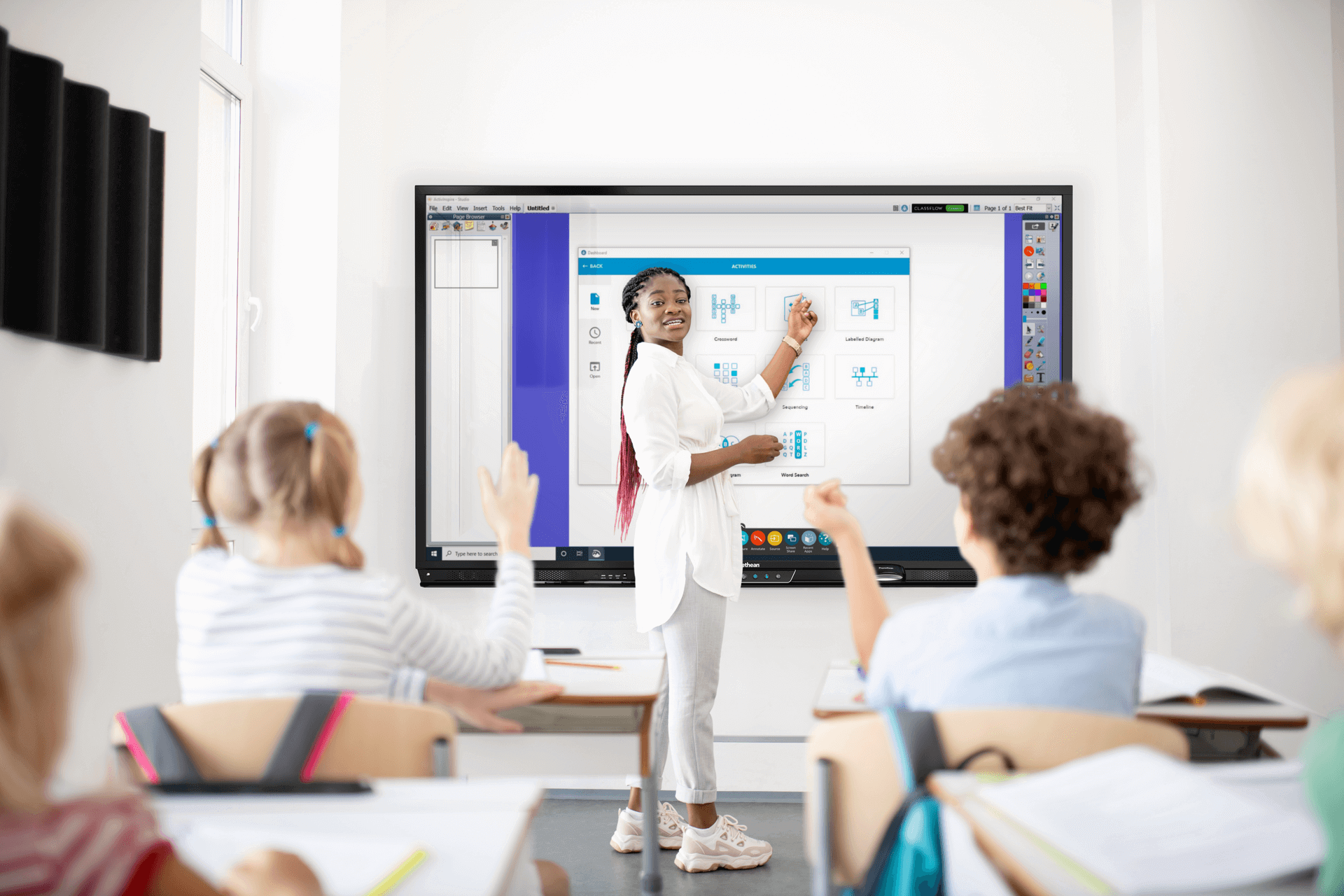
User Interface
Considering the cost differences discussed earlier, navigating the user interface of Smart Boards and Interactive Whiteboards becomes crucial for educators and presenters. Smart Boards offer a more intuitive and user-friendly interface, allowing you to easily access various features with simple gestures and touch controls.
Interactive Whiteboards, on the other hand, may have a steeper learning curve due to their software complexity and navigation methods. With Smart Boards, you can enjoy the freedom to interact seamlessly with content, annotate effortlessly, and collaborate with ease.
In contrast, Interactive Whiteboards might require more time to master their interface, potentially limiting your flexibility during presentations or teaching sessions. Ultimately, choosing the right user interface that aligns with your preferences and needs is key to maximizing your productivity and engagement.
Connectivity Options
To establish a seamless transition from discussing the user interface, connectivity options play a crucial role in the comparison between Smart Boards and Interactive Whiteboards. Smart Boards typically offer various connectivity options such as Bluetooth, Wi-Fi, and USB ports, allowing you the freedom to connect your devices effortlessly.
In contrast, Interactive Whiteboards often rely on USB connections or other wired interfaces, which may limit your flexibility in using different devices. With Smart Boards, you can enjoy the convenience of wireless connections, enabling you to interact with the board from anywhere in the room.
This flexibility in connectivity options enhances your overall user experience, making Smart Boards a preferred choice for those seeking a seamless and versatile interactive solution.
Conclusion
Overall, when choosing between a smart board and an interactive whiteboard, consider your technology integration needs, interactive features desired, cost considerations, user interface preferences, and connectivity options.
Both options offer unique benefits and it ultimately depends on your specific requirements and budget.
Make sure to carefully evaluate each option to determine which one will best suit your educational or business needs.